β--PPH-bolklep
Producteigenschappen: Geschikt voor verschillende lichte en zware industriële...

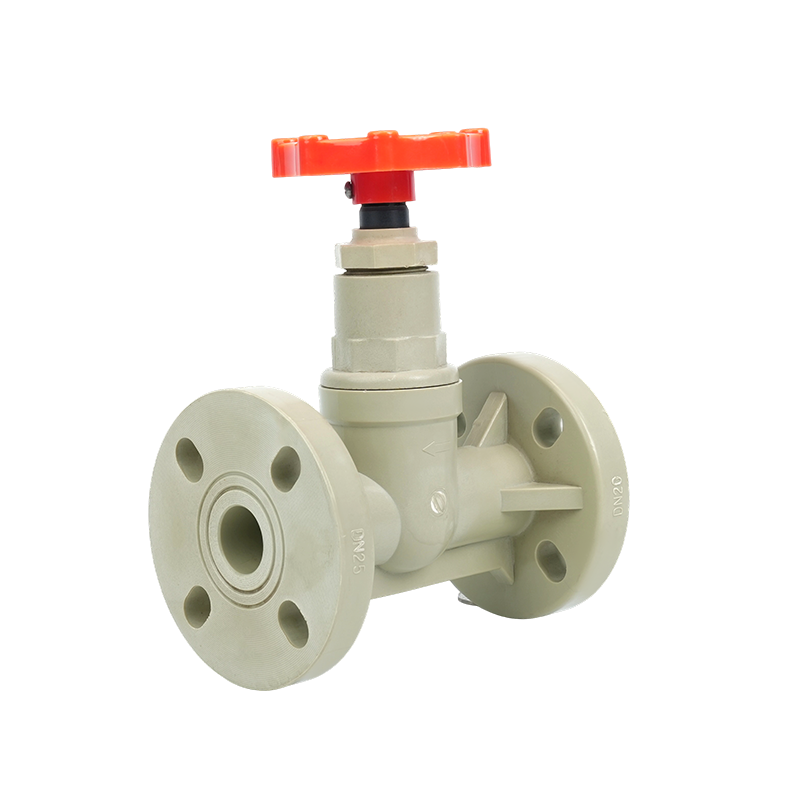
Producteigenschappen: Geschikt voor verschillende lichte en zware industriële...
Een shutdownploeg van een chemische fabriek had nog één taak over voordat ze weer konden herstarten: het vervangen van een lekkende pakking op een klep twaalf meter binnen een volledig gelaste PPH-leiding. Het doorknippen van de leiding betekende een nieuwe spoel, een nieuwe las, een wachttijd voor afkoeling en e...
Bekijk meerEen kunststof kogelkraan kopen door te vragen "verkoopt u ze?" Zo betalen projecten uiteindelijk twee keer. Wat feitelijk bepaalt of een kunststof kogelkraan vijf jaar lang stil blijft werken of de eerste keer kapot gaat, is het materiaal van het huis, het afdichtingselastomeer en de manier waarop het kleplichaam...
Bekijk meerTwee monteurs, één rol van 2 PVDF-buizen en een krat met DN 50 flensadapters. Alles komt op tijd aan en niets past: de buis heeft een buitendiameter van 60,3 mm, terwijl de adapter machinaal is bewerkt voor een buitendiameter van 50 mm. Geen van beide labels is verkeerd. De onderdelen behoren eenvoudigweg tot twe...
Bekijk meerWhat are the advantages of Plastic Valve Series Other compared to metal valves in the chemical, food, and pharmaceutical industries?
1. Superior Corrosion Resistance: Utilizing high-molecular materials such as RPP, PVDF, ABS, and CPVC, they exhibit virtually no corrosion from acids, alkalis, salts, chlor-alkali compounds, and solvents, avoiding leaks and maintenance issues caused by corrosion, as is common in metal valves.
2. Prevention of Secondary Metal Ion Contamination: The all-plastic structure does not generate metal ions, meeting the stringent purity and hygiene requirements of the food and pharmaceutical industries, ensuring product quality is not contaminated by metal ions.
3. Lightweight and Easy Installation: Significantly lighter than metal valve bodies, making handling, installation, and maintenance easier and reducing infrastructure load.
4. Low Pressure Loss and Low Flow Resistance: The smooth surface of the high-molecular material results in low fluid resistance, improving system efficiency.
5. Good Electrical Insulation: Plastic itself is insulating, making it suitable for pharmaceutical and food production lines with stringent electrical safety requirements.
6. Cost Advantage: Material and processing costs are lower than stainless steel and alloy metal valve bodies, resulting in more competitive overall procurement and maintenance costs.
How do the sealing materials of Plastic Valve Series Other affect their service life?
1. PTFE (Polytetrafluoroethylene): Possesses excellent chemical resistance and temperature resistance (-50℃ to +150℃), maintaining sealing performance in most corrosive media, making it the "king of plastics" for valve seals. Its service life is affected by factors such as operating temperature, pressure, and lubrication conditions, but can reach 15-20 years or more under reasonable operating conditions.
2. EPDM (Ethylene Propylene Dioxide): Possesses excellent ozone resistance and aging resistance properties, with a temperature range of approximately -40℃ to +90℃. Under normal operating conditions, its service life is approximately 10-15 years. It has good resistance to acid, alkali, and salt water media.
3. FPM (Fluororubber): Combines the chemical resistance of PTFE and the elasticity of EPDM, with a temperature range of approximately -20℃ to +200℃ and a service life of 15-20 years. It is suitable for high-temperature and highly corrosive environments.
Producten
Bedrijfsinformatie
Adres: Nr. 55 Haichuan Road, hightechzone, Dongtai City, provincie Jiangsu, China
Mobiel: +86 137 7009 5258
Tel: +86-515-85479999
E-mail: [email protected]
Wij horen graag uw mening!
